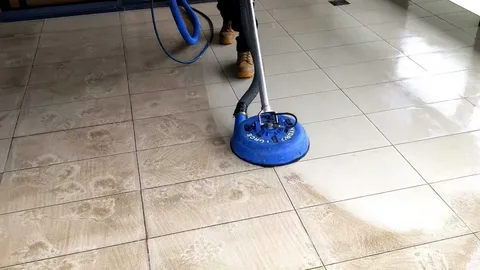

A clean exterior not only enhances the beauty of your home but also protects your property from long-term damage. Over time, dirt, mold, mildew, algae, and grime accumulate on surfaces like siding, driveways, decks, and patios. Pressure washing is an effective solution that restores your home’s appearance while maintaining its structural integrity. Understanding the basics of pressure washing and following safe practices ensures excellent results without damaging surfaces.
Why Pressure Washing Matters
Exterior surfaces are constantly exposed to the elements. Dust, pollen, and environmental pollutants can build up, making your home look worn and neglected. Mold and mildew growth, especially in damp areas, can compromise surfaces and create health risks. Pressure washing removes these contaminants efficiently, improving curb appeal, preventing deterioration, and enhancing the overall value of your property.
Choosing the Right Equipment
Selecting the proper pressure washer is essential for safe and effective cleaning. Residential pressure washers typically range from 1,300 to 2,800 PSI, which is suitable for most home surfaces. High-pressure commercial washers may exceed 3,000 PSI, but improper use can damage siding, paint, and softer materials. Always choose a machine appropriate for the surface you plan to clean and follow manufacturer guidelines.
Pressure Washing Techniques
- Test a Small Area First: Before fully cleaning a surface, test an inconspicuous area to ensure the pressure and cleaning solution won’t cause damage.
- Use the Correct Nozzle: Wide-angle nozzles distribute water evenly and reduce the risk of etching or stripping paint.
- Maintain Safe Distance: Keep the nozzle several feet from the surface to avoid damage. Adjust distance as needed for stubborn dirt or stains.
- Apply Cleaning Solutions Properly: Use detergents designed for pressure washing when necessary. Let the solution sit briefly before rinsing to remove grime effectively.
- Work from Top to Bottom: This prevents streaks and ensures debris flows downward for a thorough clean.
Safety Precautions
Pressure washers are powerful tools that require careful handling:
- Wear protective gear, including goggles, gloves, and sturdy footwear.
- Avoid using pressure washers on delicate surfaces such as windows or thin wood siding.
- Never point the washer at people, pets, or electrical outlets.
- Follow manufacturer instructions for setup, detergent use, and maintenance.
Benefits of Professional Pressure Washing
While DIY pressure washing is possible, hiring professionals guarantees safe, efficient, and high-quality results. Experts have the training, experience, and equipment to tackle tough stains, mold, and grime without damaging your property. Professional pressure washing can also extend the life of decks, driveways, siding, and other exterior surfaces.
Takeaway
Pressure washing is an effective way to revitalize your home’s exterior, improving both aesthetics and longevity. By selecting the right equipment, following proper techniques, and observing safety precautions, homeowners can safely remove dirt, mold, and grime. Whether you choose to do it yourself or hire a professional, pressure washing is a smart investment in maintaining a beautiful, healthy, and well-protected home year-round.